


Carob powder
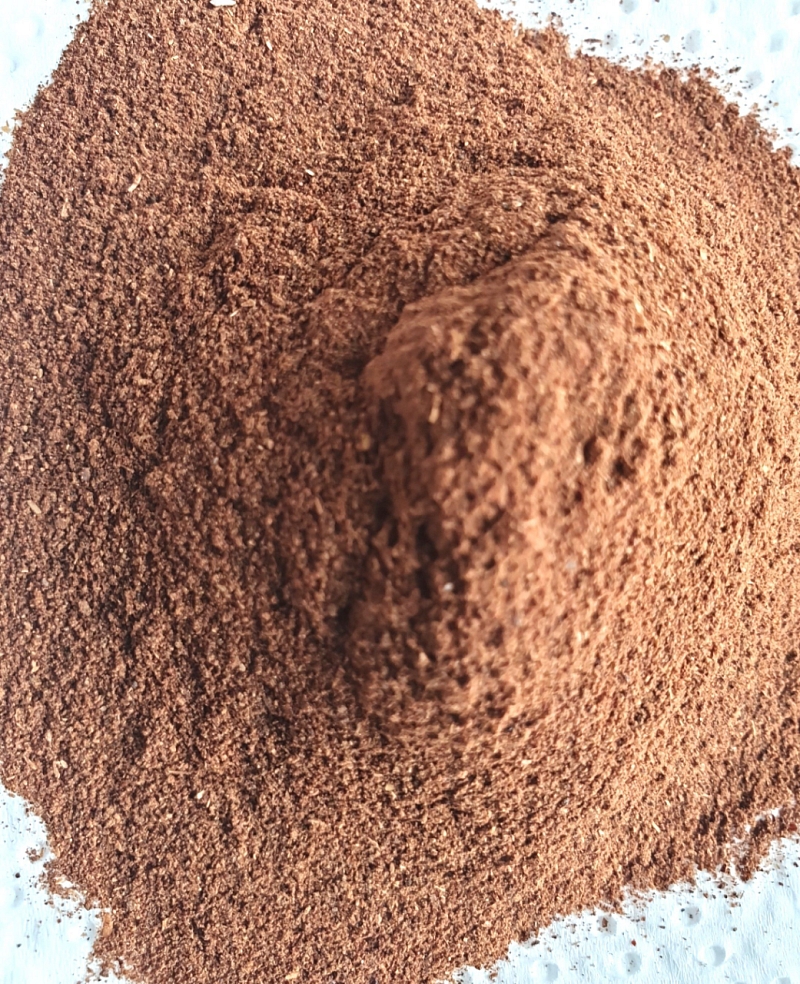
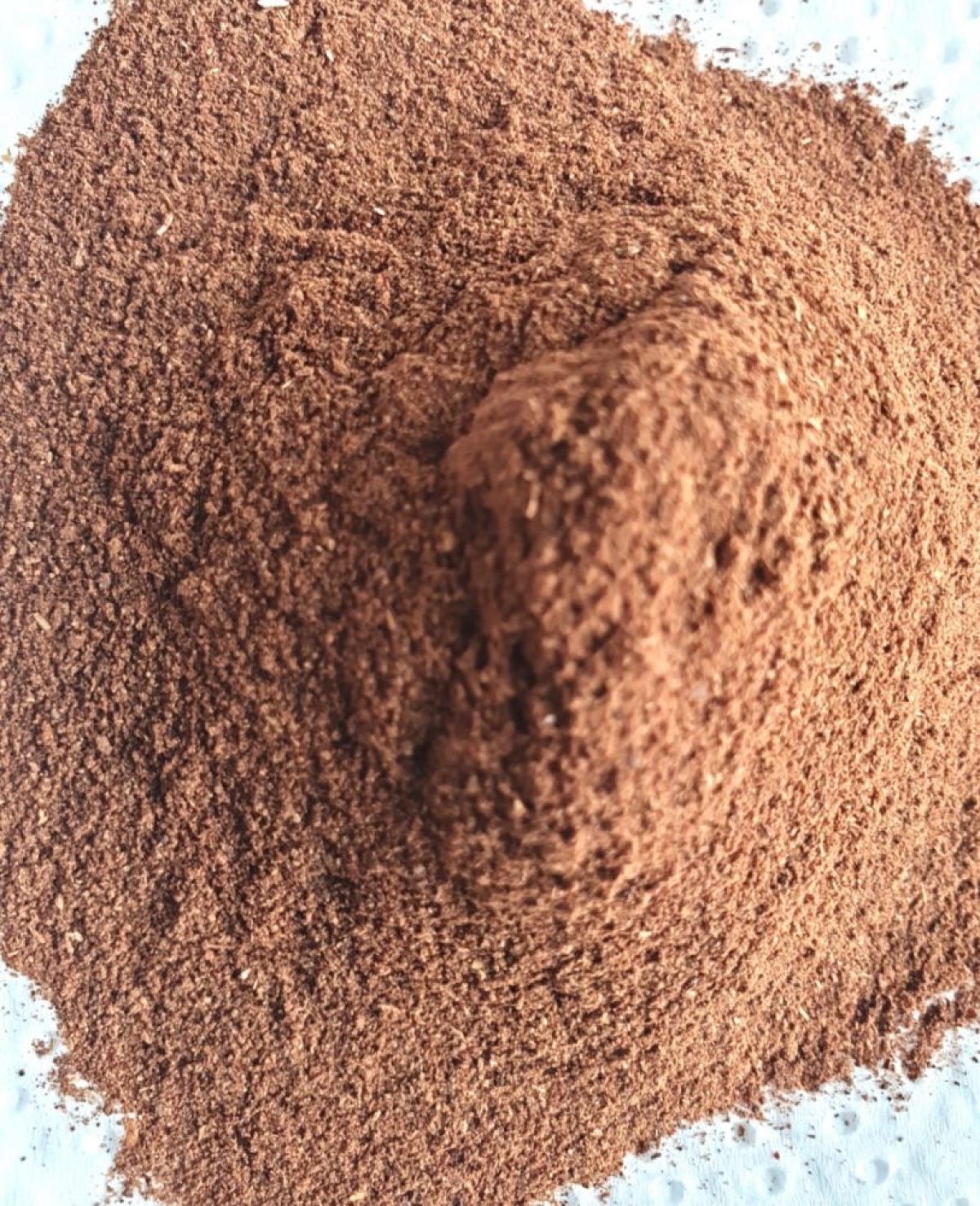
Carob powder
1,00 €
0,84 € bez DPH
IN STOCK
Technically speaking, carob is a legume derived from carob, also known as St. John's wort. It is obtained by grinding the pod into a very fine powder, called carob flour. It is often used as a substitute for chocolate, or cocoa, in all kinds of sweet treats. It contains a large number of active substances, among which proteins, fiber, amino acids, tannins, vitamins (A, B or D) and minerals such as iron, magnesium or calcium should be mentioned.
Categories: COFFEE, BAKERY & PATISSERIE
Product description
What is carob?
Technically speaking, carob is a legume derived from carob, also known as St. John's wort. It is obtained by grinding the pod into a very fine powder, called carob flour. It is often used as a substitute for chocolate, or cocoa, in all kinds of sweet treats.
Carob versus our old familiar cacao
Cocoa and carob have a similar energy value per 100 g. Compared to chocolate (16.8 g/100 g), carob has very little protein - 3.8 g/100 g, but the fat content is interesting. It is the content of fast sugars and saturated fats in sweets that makes snacking a legitimate diet scare. In this regard, carob wins hands down with only 0.2 g of fat per 100 g. Cocoa with 23.7 g of fat per 100 g has no chance.
100 g of carob represents about 1600 kJ ~ 100 g of cocoa
100 g of carob has 3.8 g of protein ~100 g of cocoa 16.8 g of protein
100 g of carob contains only 0.2 g of fat ~ 100 g of cocoa 23.7 g of fat
100 g of carob has 90.6 g of sugars ~ 100 g of cocoa about 45 g of sugars
Another composition of carob
The ratio of sodium and potassium is favorable. There is usually a very high amount of sodium everywhere, carob has only 10 mg/100 g and 800 mg/100 g of potassium. In both cases, cocoa is around 700 mg/100g.
Carob has twice the amount of calcium, but also twice the amount of sugar compared to cocoa (90.6 g/100 g). This must be taken into account when cooking, because when working with cocoa we are used to sweetening the dessert with sugar. In the case of carob, this is not necessary.
It also contains vitamins A and B, 11% fiber and 6% minerals (in addition to calcium, potassium, magnesium, iron or phosphorus).
Unlike chocolate, carob does not contain any stimulants, yet it gives the body energy. In chocolate, for example, we find theobromine, which has similar effects to caffeine.
Use in the kitchen
Carob has a specific aroma that is not too reminiscent of cocoa and chocolate. Rather, it can be compared to dates. However, this does not diminish his popularity in any way. In any case, it is available in the form of a powder, which can then be used to flavor sweets, toppings or ice cream, or as a syrup. However, it is also possible to purchase snacks such as the aforementioned carob chocolate or bars. The good news is that some of these products can be found in regular stores today without much trouble.
If you haven't had the honor of this delicacy so far, we have a recipe for a fruit dessert with carob. Its preparation is really very simple. First, put 4 peeled and chopped bananas and 7 or 8 pitted dried dates into the blender. You blend, add a little water, a spoonful of carob and use the blender once more. Let's add that carob powder can also be used to prepare healthy drinks, such as smoothies.
Country of origin: Greece